Range
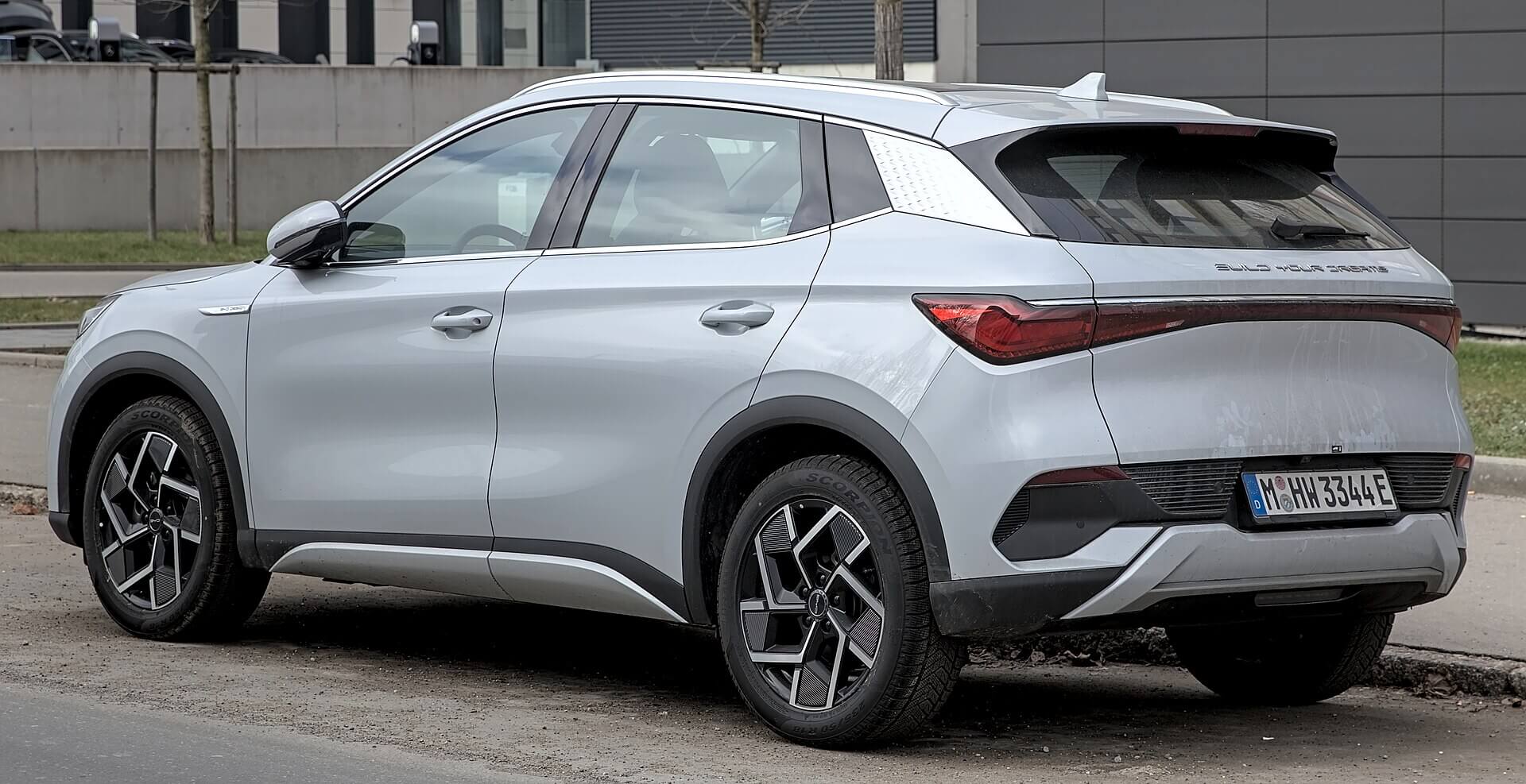
BYD Atto 3 range
The BYD Atto 3 range is 345 km or 420 km on the WLTP test for the classic model, depending on the battery. The 2026 Atto 3 Evo, sold in Australia from September 2026, is rated at 420 km as the Dynamic and 510 km as the Premium.
Last reviewed: September 2026
Official range by version
Official range depends on the battery and on the test cycle. BYD Australia quotes both WLTP and the older NEDC cycle, and China uses its own CLTC cycle.
| Version | Battery | WLTP | Other figure |
|---|---|---|---|
| Classic, smaller battery | 49.92 kWh | 345 km | NEDC 410 km |
| Classic, larger battery | 60.48 kWh | 420 km | NEDC 480 km |
| China Yuan Plus | 50.12 kWh / 60.48 kWh | n/a | CLTC 430 km / 510 km |
| Evo Dynamic (FWD) | 60.48 kWh | 420 km | 16.0 kWh/100 km |
| Evo Premium (RWD) | 74.88 kWh | 510 km | 16.4 kWh/100 km |
The 60.48 kWh battery gives 420 km WLTP in both the classic car and the Evo Dynamic, so the Evo Dynamic does not go further than the old larger-battery car. Only the Evo Premium adds range, with 90 km more from its 74.88 kWh pack.
Names for the same battery
The Atto 3 is sold as the Yuan Plus in China, where range is quoted on the CLTC (China Light-Duty Vehicle Test Cycle). CLTC figures run higher than WLTP for the same battery: 510 km against 420 km for the 60.48 kWh pack.
Trim names also change by market and by year. Earlier Australian cars used Standard Range and Extended Range for the two classic batteries, and later ones used Essential and Premium. Since September 2026, Dynamic and Premium name the two Evo variants. So, the kWh figure identifies the range better than the badge does. The names page decodes every version name.
Real-world range
Real-world range differs from the lab figure, and BYD Australia's spec sheet notes that driving style, load, and traffic all change it. Published research puts numbers on two of the biggest factors, though it covers electric cars in general rather than the Atto 3.
Temperature and climate control. AAA tested five electric cars in 2019 against a 24°C baseline. At -7°C, range fell 12% with the heater off and 41% with it on. At 35°C, range fell 4% with the air conditioning off and 17% with it on. So, in hot weather the air conditioning, not the heat itself, takes most of the range.
Speed. Air resistance grows quickly with speed. Automotive Testing Technology International reports that above 130 km/h, about 80% of an electric car's power goes to overcoming it.
Range and charging
Range matters less when the car charges at home most nights. The LFP battery can be charged to 100% for daily use, so each day can start on a full battery. On long trips, DC charging speed decides how long each stop takes. The Evo Premium charges at up to 220 kW DC, against 88 kW for the classic larger-battery car, and its 510 km range means fewer stops as well. The charging and battery pages cover both in detail.
Sources
Figures checked in September 2026. This site is independent of BYD.
- BYD Australia: BYD Atto 3 2025 spec sheet
- BYD Australia: BYD Atto 3 Evo
- CarExpert: 2026 BYD Atto 3 Evo prices (12 August 2026)
- RACV: 2026 BYD Atto 3 Evo price, specs and release date (19 August 2026)
- CarNewsChina: BYD Yuan Plus 2025 specifications
- AAA: Electric Vehicle Range Testing (February 2019)
- U.S. Department of Energy, fueleconomy.gov: Fuel Economy in Cold Weather
- Automotive Testing Technology International: Extending electric vehicle range through a more aerodynamic design